Description
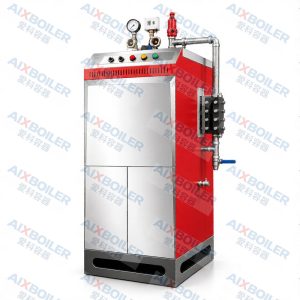
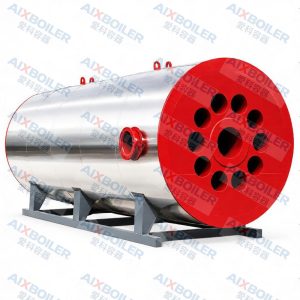
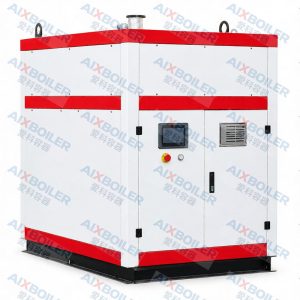
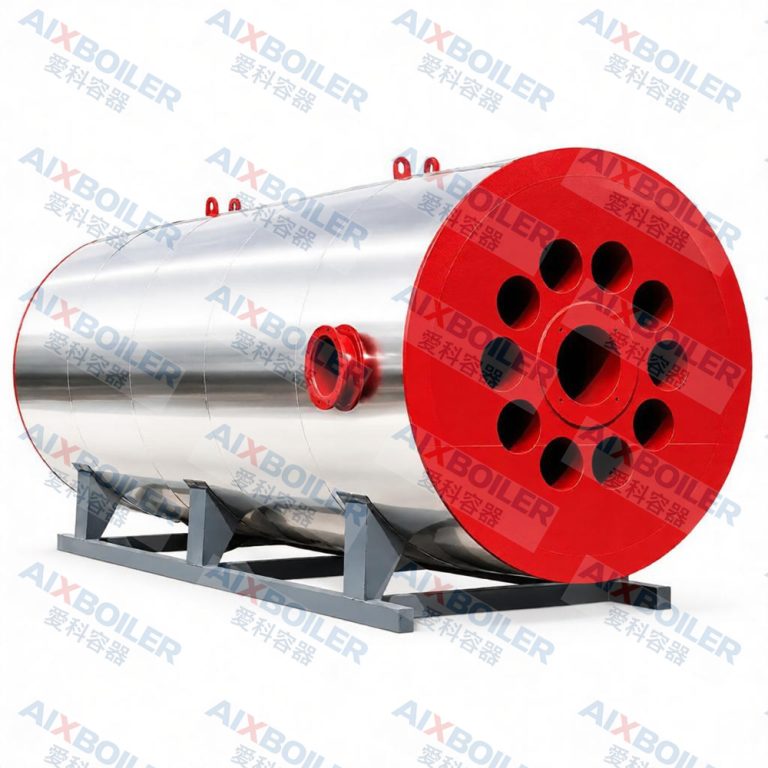
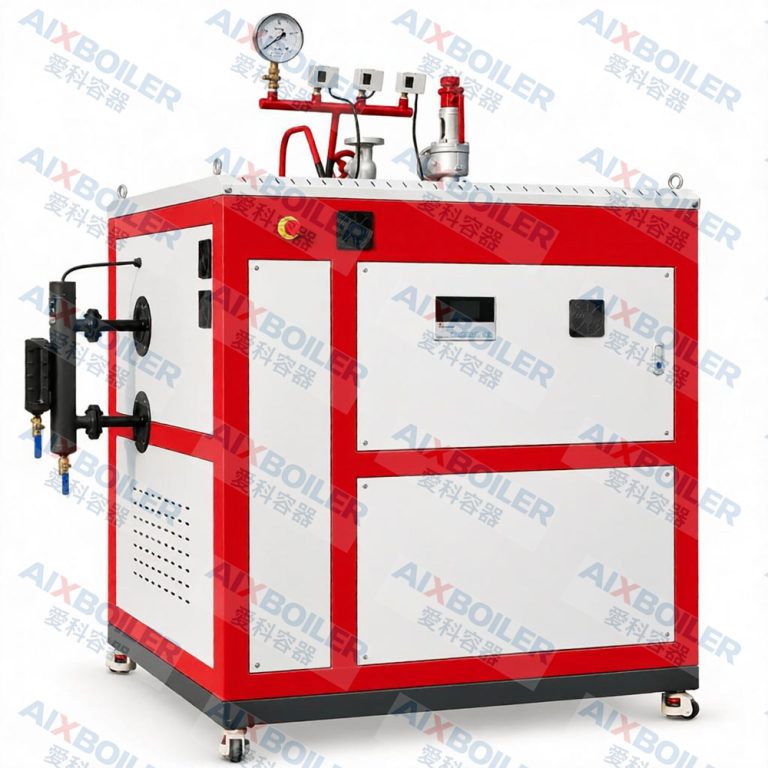
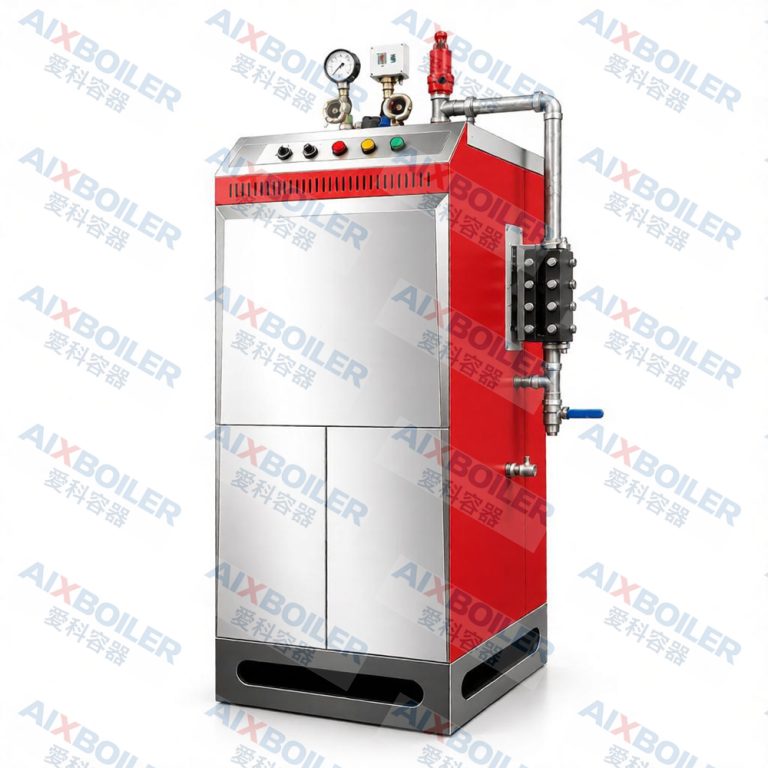
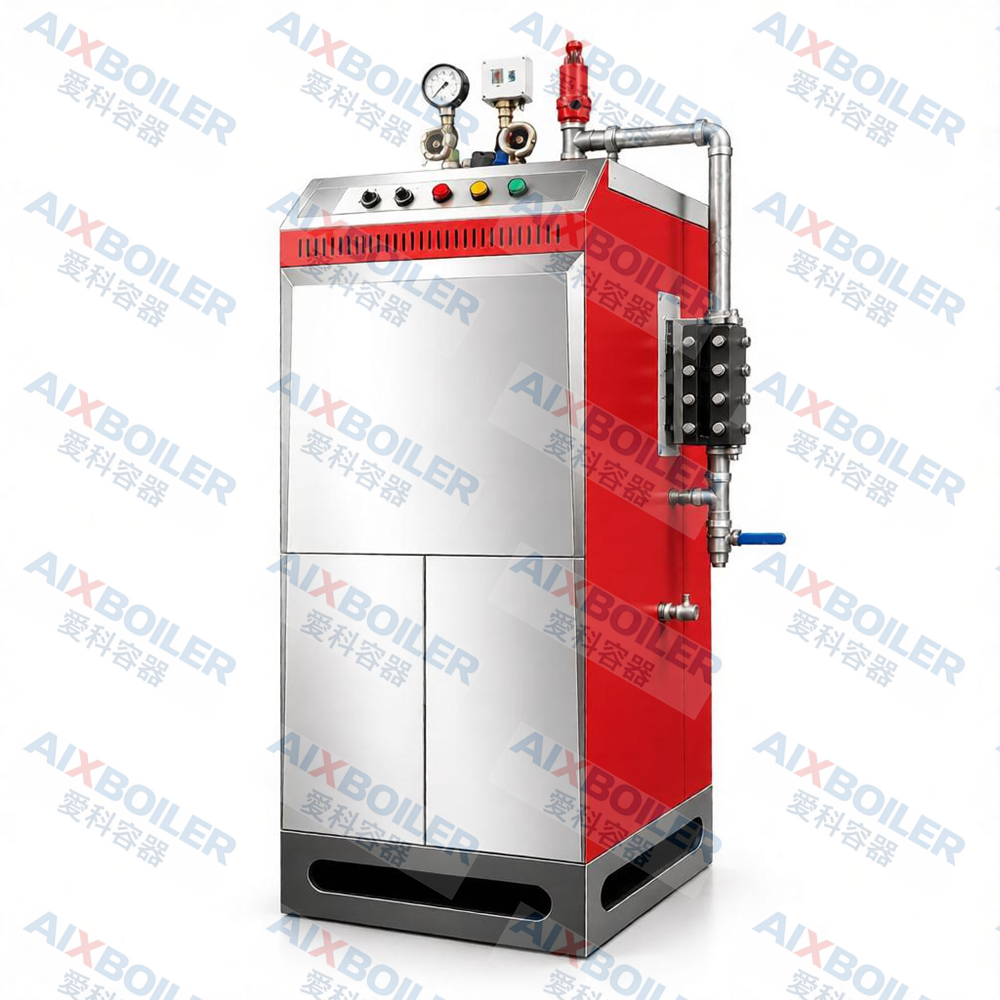
Electric steam boilers are chosen for three reasons: no flue route, no fuel handling, and a load that is small or intermittent. The LDR (vertical) and WDR (horizontal) cover 0.1–4 t/h with resistance elements immersed in the water space.
Construction
- Pressure vessel in Q245R or 304/316L, with a large steam space for dry steam.
- Flanged element bundles, replaceable without cutting the shell.
- Staged contactors or SCR for smooth pressure control.
- Feedwater pump, level controls, safety valve and blowdown valve on the skid.
Technical specification
| Parameter | Range |
|---|---|
| Steam capacity | 0.1 – 4 t/h (72 kW – 3 MW) |
| Design pressure | 0.7 – 1.6 MPa |
| Steam temperature | 170 – 204 °C saturated |
| Efficiency | 99 % |
| Voltage | 380 / 400 / 415 / 440 V, 50 or 60 Hz |
| Control | PLC, pressure PID, BMS / Modbus |
Where it makes sense
Hospitals and laboratories needing sterile steam, food plants with small batch duties, pilot lines, and plants in city centres where a stack is not permitted. It is also used as a standby boiler alongside a fuel-fired unit.
Operating cost and water quality
Electricity per tonne of steam is roughly 700–750 kWh at 99 % efficiency; the tariff decides the economics. Water quality matters more than on a fuel boiler because scale on elements causes local overheating, so a softener and regular blowdown are mandatory.
FAQ
Can it be installed in a basement? Yes — no flue and no combustion air are needed, only electrical capacity and a drain.
What is the start-up time? Typically 10–20 minutes from cold, much faster than a fire-tube boiler.