Description
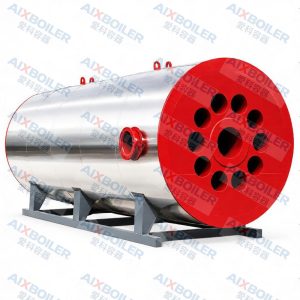
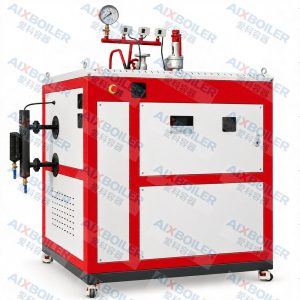
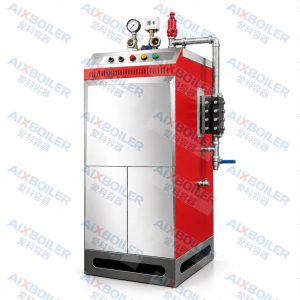
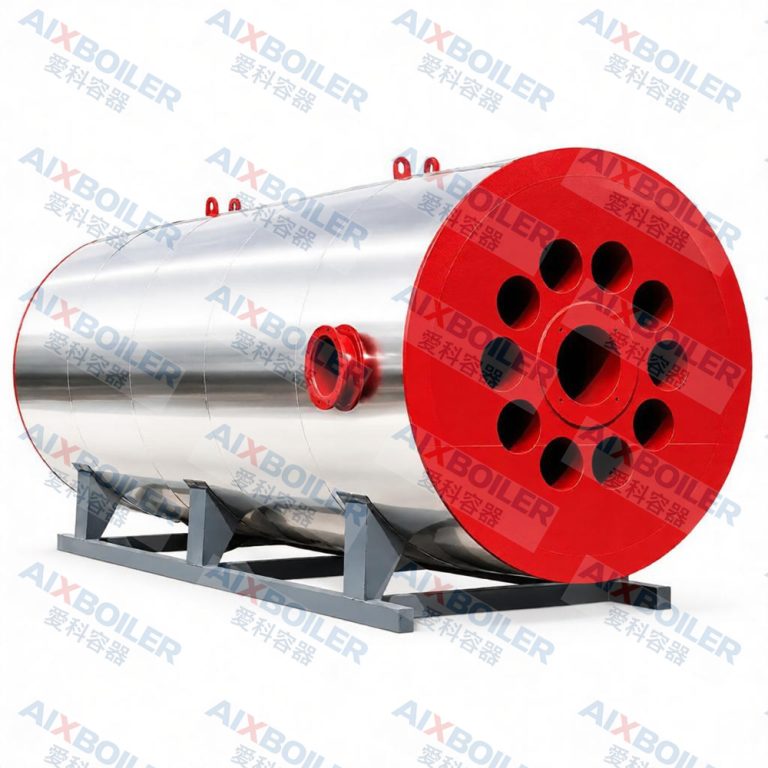
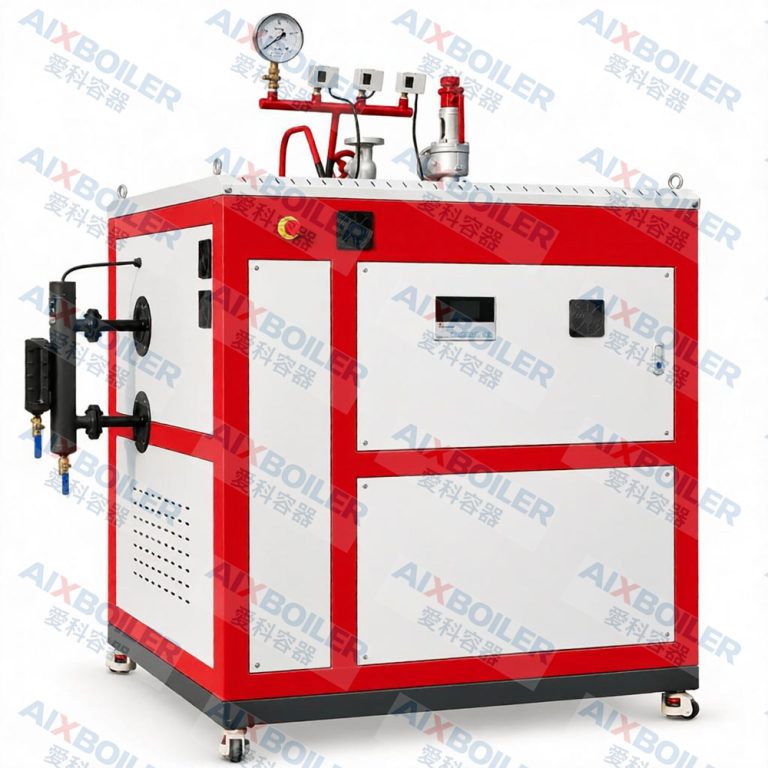
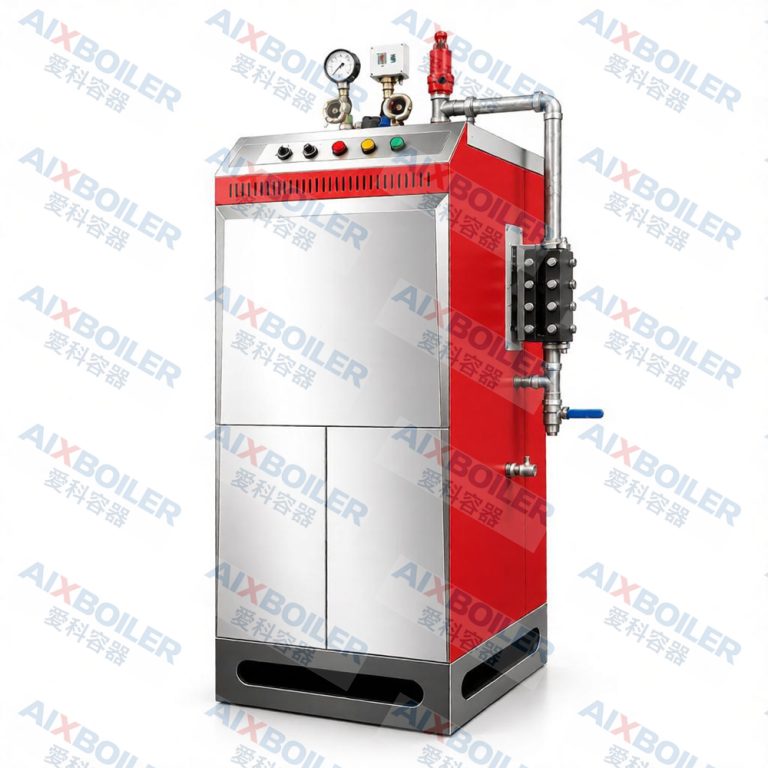
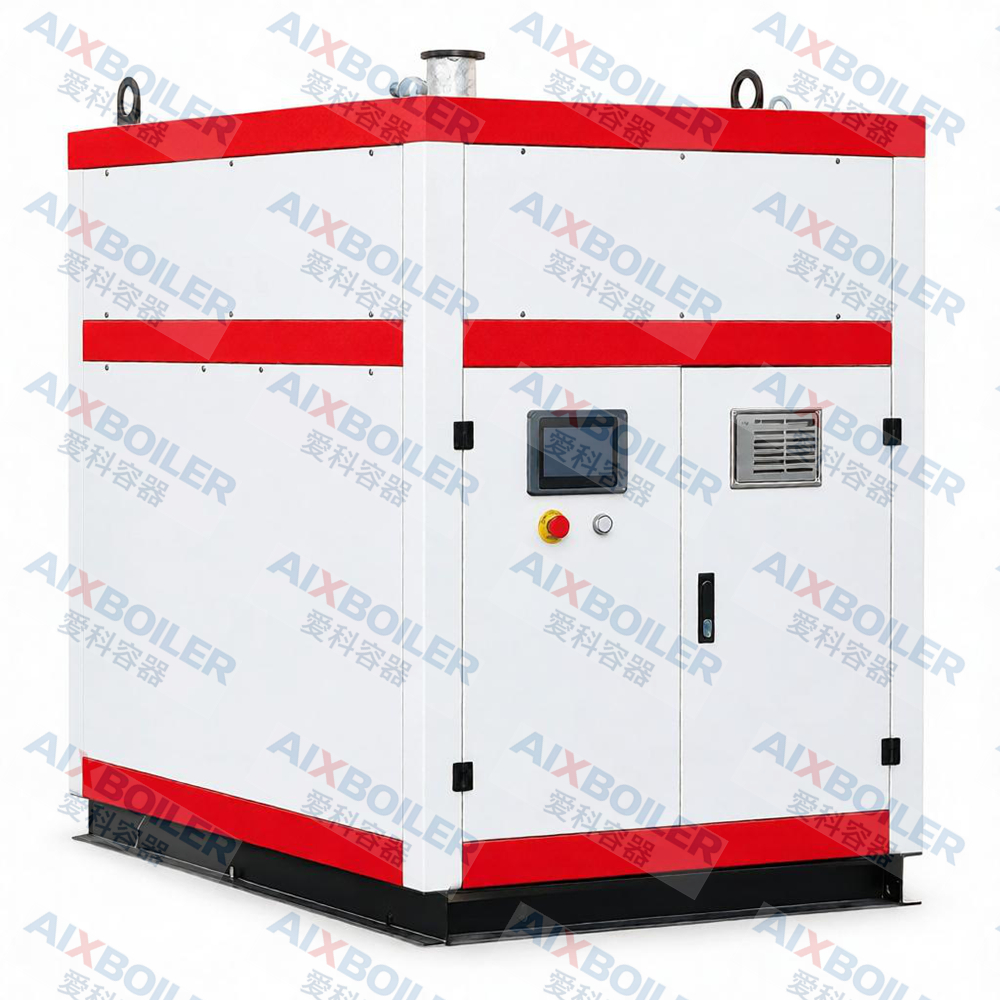
Electric thermal oil heating gives the temperature of a fired heater without the flue, the fuel train or the burner maintenance. The YDW is a coil-type electric heater: oil flows through a vessel fitted with immersion elements, and the outlet temperature is held by staged or SCR control.
When it is the right choice
- Plant rooms inside buildings where a flue route is impossible or expensive.
- Processes needing ±1 °C control, such as lab presses and precision curing.
- Sites with cheap off-peak power and a buffer of thermal storage.
- Small duties below about 2 MW, where a fired heater’s ancillaries dominate the cost.
Technical specification
| Parameter | Range |
|---|---|
| Thermal capacity | 100 – 2,000 kW |
| Outlet temperature | Up to 320 °C |
| Design pressure | 0.8 – 1.0 MPa |
| Efficiency | 99 % |
| Control | SCR stepless or staged contactors, PID |
| Safety | Flow switch, over-temperature, low-level, pump interlock |
System components
Heater, circulation pump, expansion tank, de-aerator, filter and control panel — assembled on a skid and tested before dispatch. The oil volume in the loop is kept small so heat-up is fast and the oil inventory cost stays low.
Operating notes
Electric heaters are unforgiving of low flow: the elements overheat within seconds if the pump stops. The flow switch is therefore wired to trip the elements directly, not through the PLC, and the pump runs on after shutdown to carry the residual heat away.
FAQ
Can it replace a gas-fired heater one for one? Thermally yes; check the electrical capacity and the tariff before committing.
What oil should be used? A mineral or synthetic heat transfer oil rated above the maximum film temperature, usually 340–350 °C class.