Description
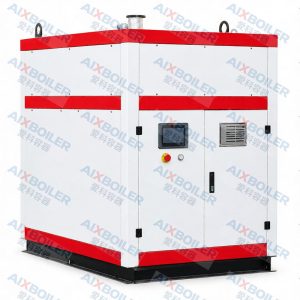
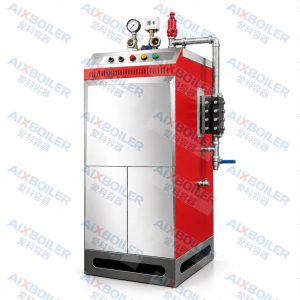
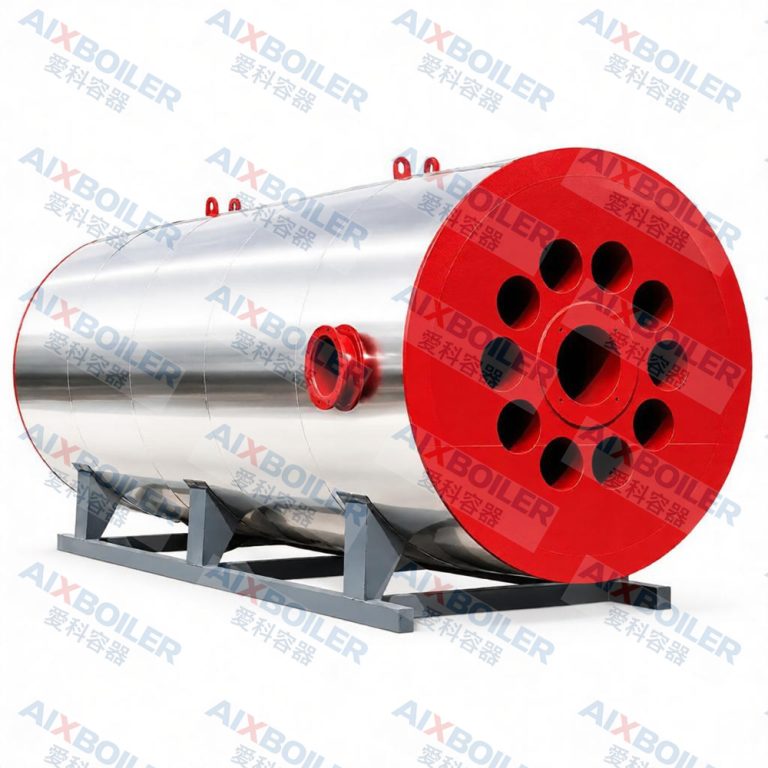
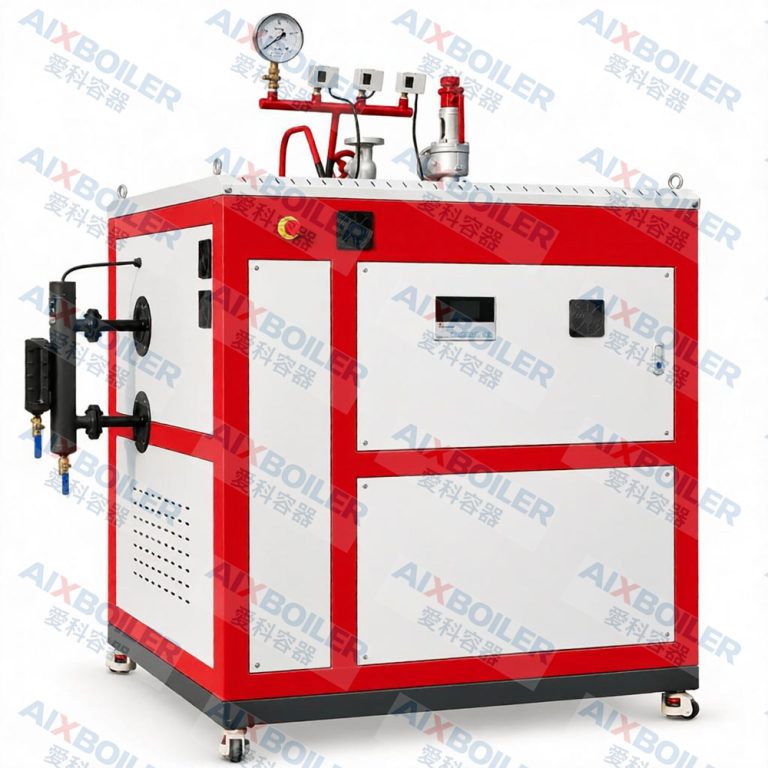
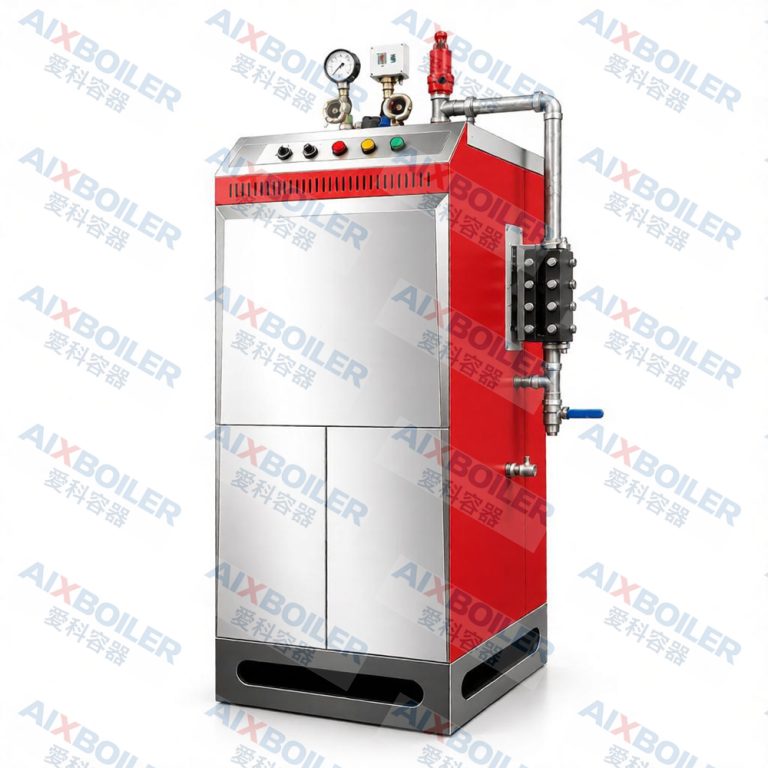
Where there is no gas main, or where the air permit rules out a stack, heat has to come from electricity. The CLDR (atmospheric) and WDR (pressurised) are resistance-heated hot water boilers: immersed elements heat the water directly, so there is no flame, no flue and no combustion loss.
How the boiler is built
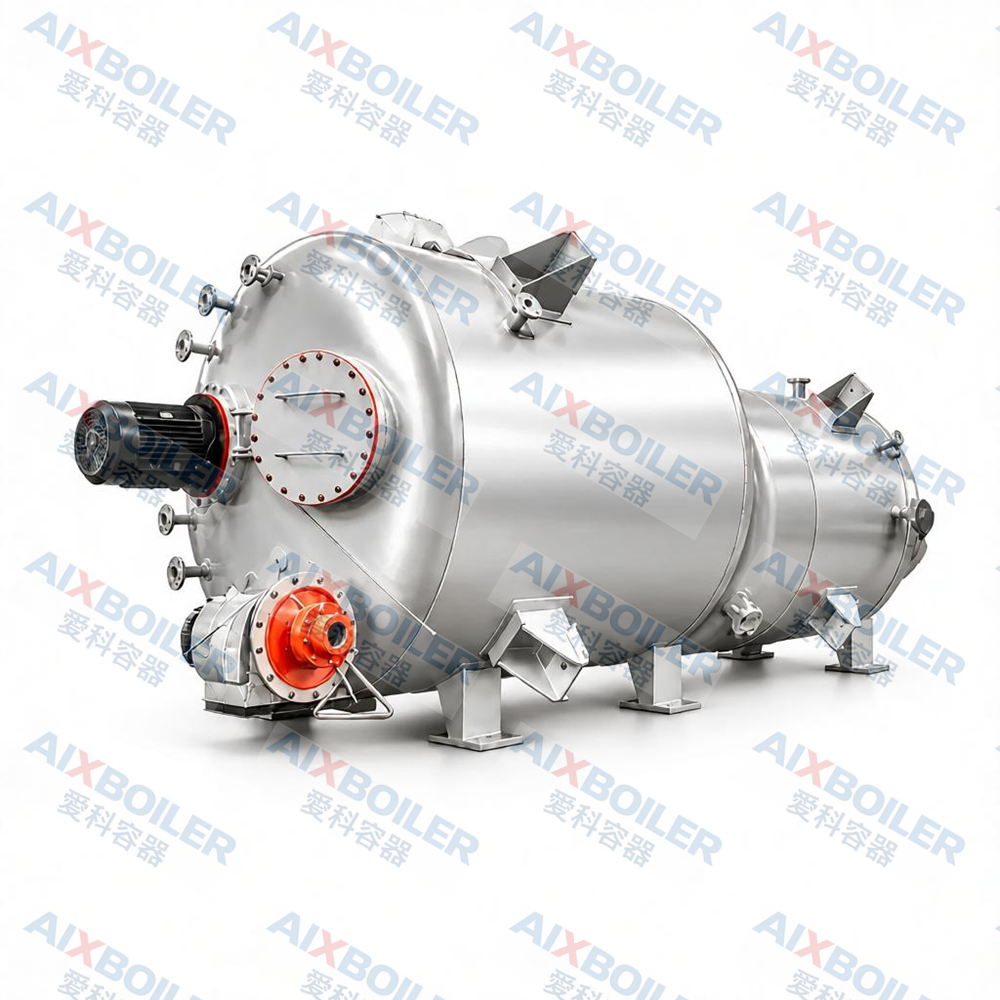
- Vertical or horizontal shell with flanged immersion elements in 316L or Incoloy.
- Elements grouped in stages, switched by contactors or SCR for stepless control.
- Insulation and cladding sized so the surface temperature stays below 45 °C.
- Mechanical and electrical interlocks: flow switch, low-level cut-out, over-temperature trip.
Technical specification
| Parameter | Range |
|---|---|
| Thermal capacity | 0.1 – 3.5 MW (100 – 3,500 kW) |
| Supply / return | 95/70 °C, 85/60 °C or to design |
| Design pressure | 0.7 – 1.6 MPa |
| Efficiency | 99 % (no flue loss) |
| Voltage | 380 V, 400 V, 415 V, 440 V, 690 V |
| Control | PLC with stage or SCR modulation, BMS/Modbus |
Operating economics
Electric heat is close to 100 % efficient at the point of use, but the cost per kWh decides the case. It wins where electricity is cheap or off-peak, where the load is small and intermittent, or where the avoided cost of a gas connection, flue, fuel store and annual inspection exceeds the running difference.
Installation
The boiler needs a firm base, a properly sized cable and breaker, and a water circuit with a pump that runs before the elements energise. No chimney, no fuel storage, no combustion air — the plant room is smaller and the commissioning is measured in hours rather than weeks.
FAQ
Can it work with a buffer tank? Yes, and it usually should: a 2–5 m³ buffer lets the boiler run in long blocks instead of following every draw.
Is a softener required? Yes, scale on elements is the main failure mode; a softener or RO upstream is part of the package.