Description
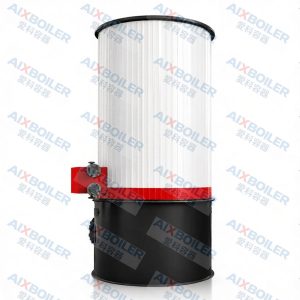
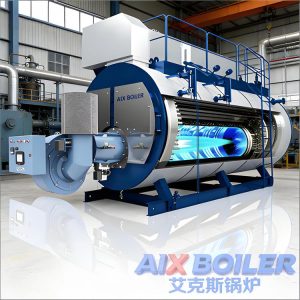
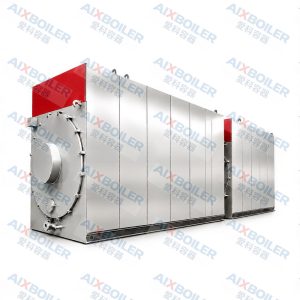
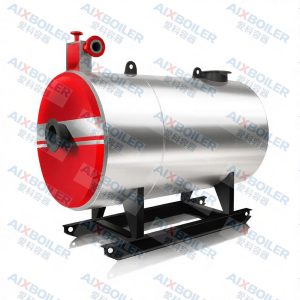
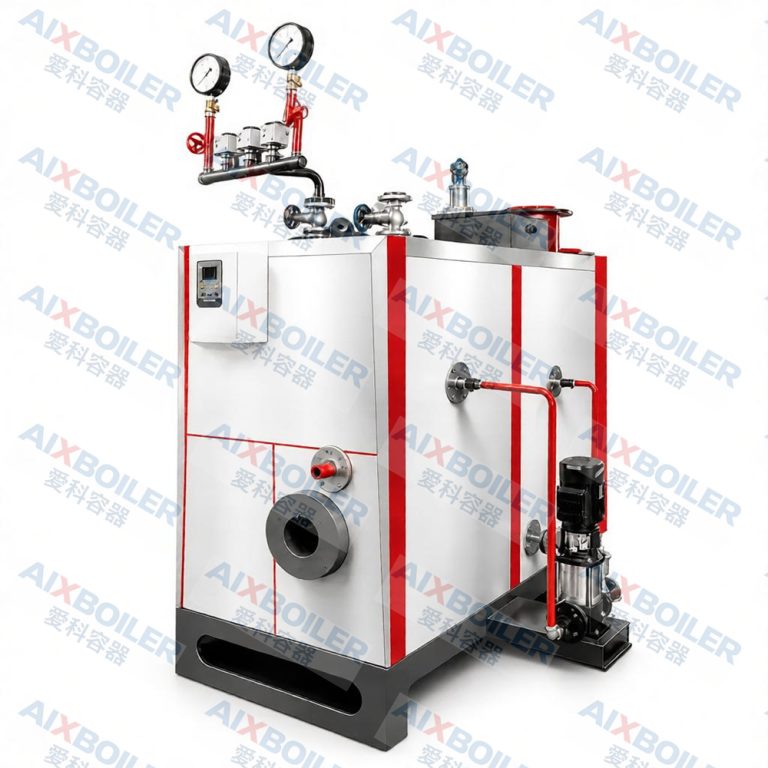
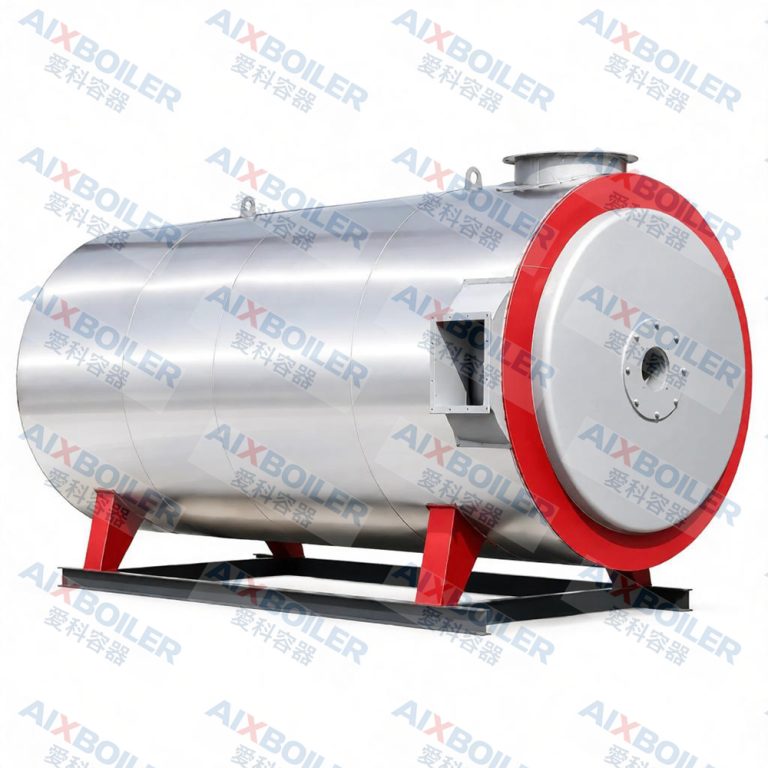
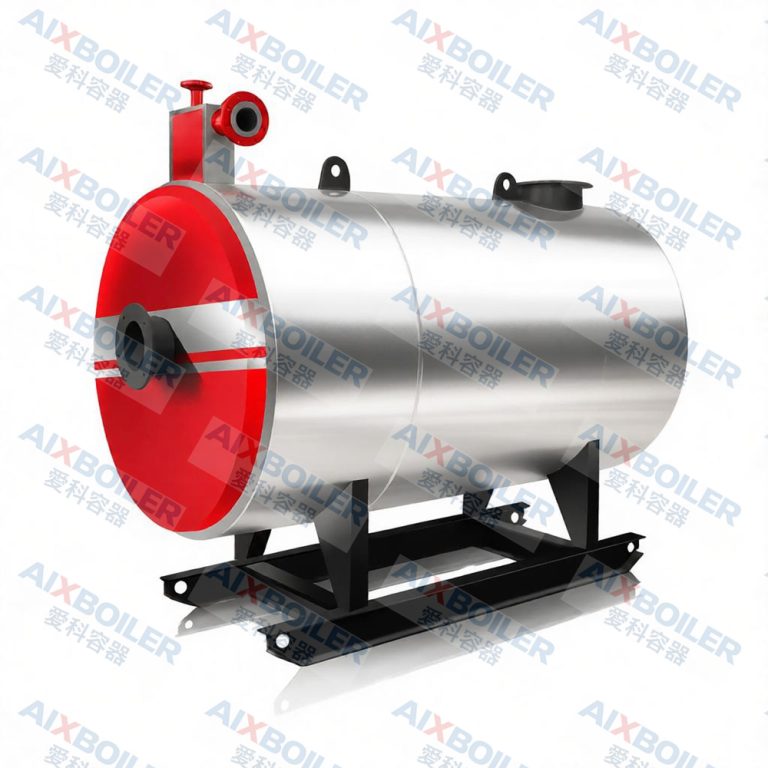
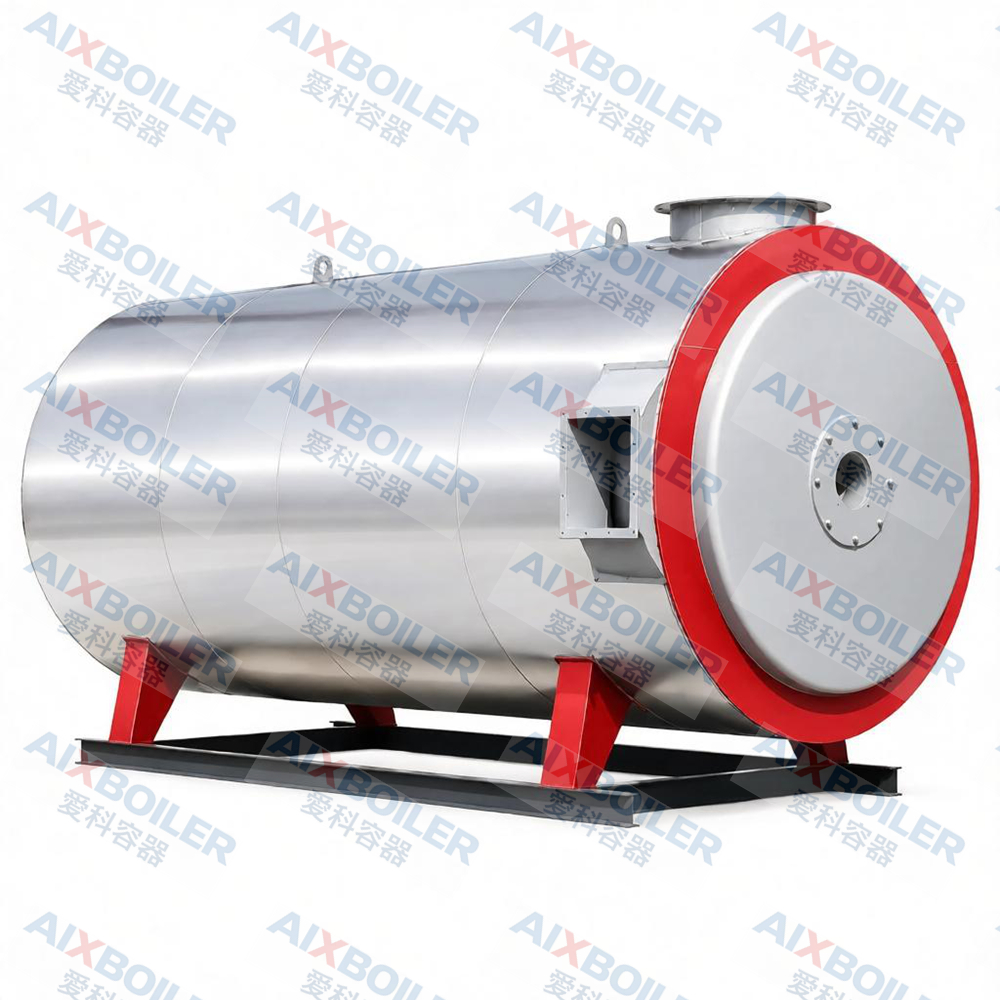
Drying and curing need air at temperature, not steam, and the air that touches the product must be clean. The WRF is an indirect furnace: combustion gas passes through a stainless heat exchanger and never mixes with the process air stream, so the delivered air carries no CO₂, NOx or combustion moisture.
Construction
- Combustion chamber in 310S heat-resistant stainless steel with a refractory-lined hot face.
- Multi-pass heat exchanger; the air side is fully welded and leak-tested.
- Modulating burner with a 5:1 turndown to hold ±5 °C on the outlet.
- Optional fresh-air and recirculation dampers for energy recovery.
Technical specification
| Parameter | Range |
|---|---|
| Heat output | 200,000 – 8,000,000 kcal/h |
| Outlet air temperature | 150 – 350 °C (400 °C special) |
| Air flow | 2,000 – 100,000 m³/h |
| Fuel | Natural gas, LPG, diesel, heavy oil |
| Efficiency | ≥ 88 % |
| Control | PID outlet temperature, BMS interlock |
Applications
Spray drying in food and ceramics, curing ovens for powder coating, gypsum and board drying, textile stenters, and printing ink drying. Where the exhaust is solvent-laden, the furnace is supplied with the appropriate explosion-protection rating and a purge cycle.
Selection notes
Give us the air flow, inlet and outlet temperature, the moisture load and whether the air is recirculated. Those four numbers fix the heat duty and the exchanger size; the fuel choice then follows from the site’s supply.
FAQ
Can it be direct-fired? Yes, where the product tolerates combustion products — direct firing is cheaper and about 8 points more efficient.
What happens on flame failure? The BMS closes the fuel valves, the purge fan runs, and the process air damper goes to the safe position.