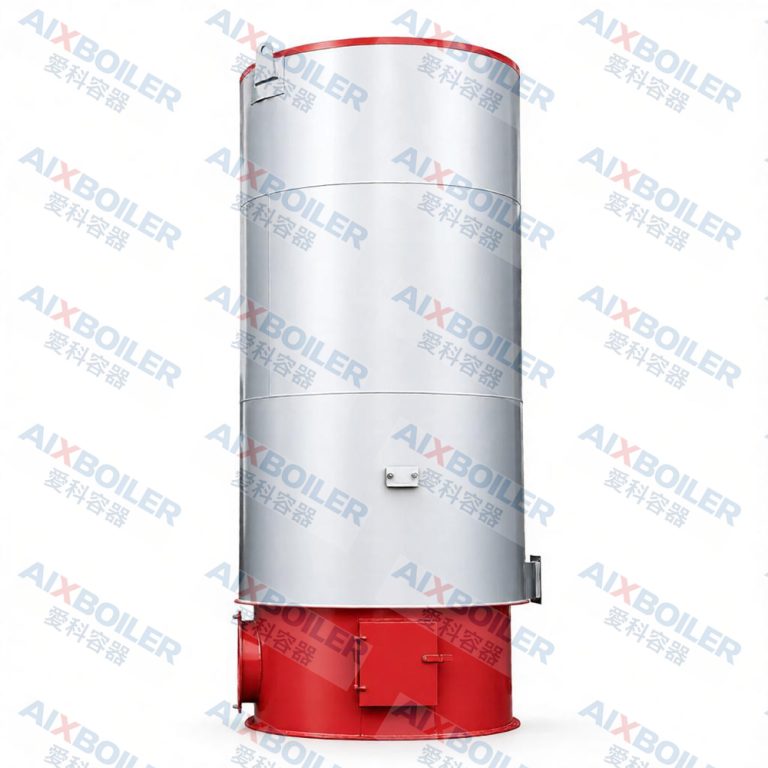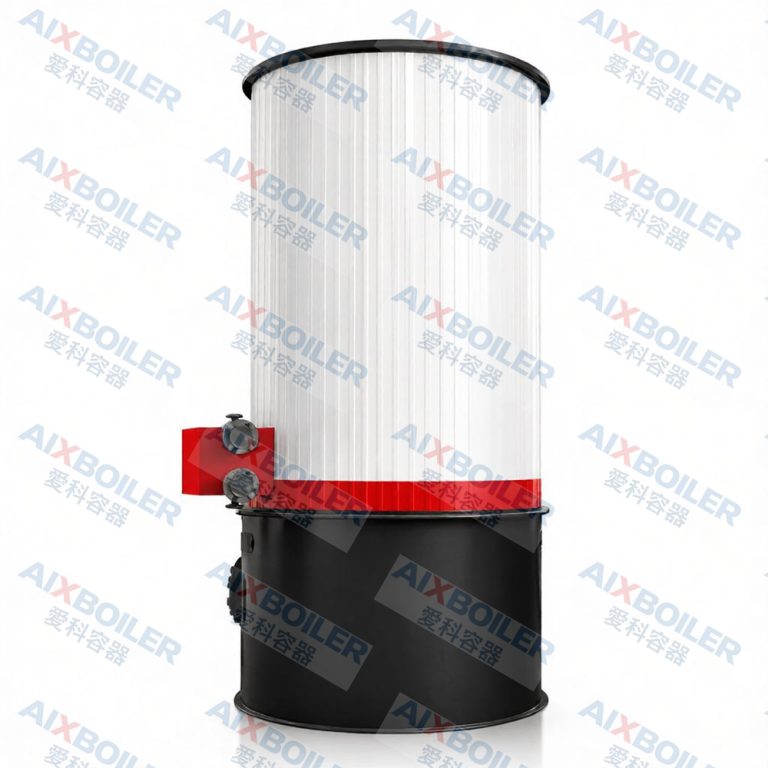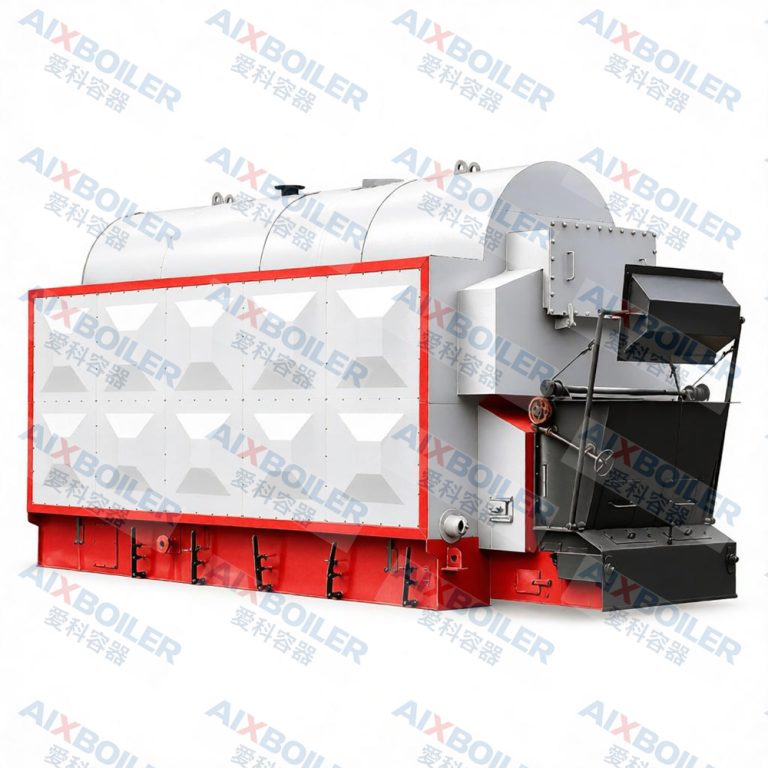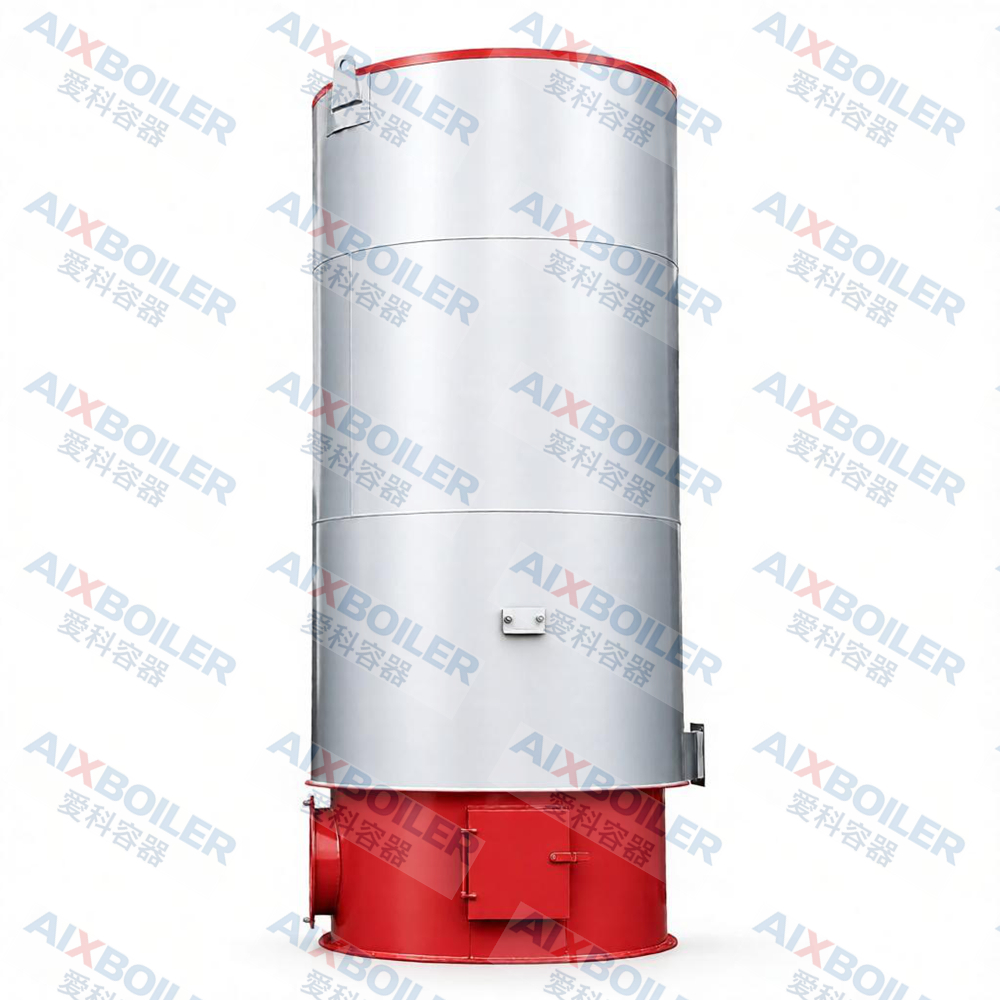
Description
Where a dryer needs 150–300 °C air and the site already handles wood residue, a biomass hot air furnace is the cheapest heat available. The LRF burns the fuel in a refractory chamber and passes the hot gas through a stainless exchanger, so the air delivered to the dryer stays clean.
Two configurations
- Indirect: clean air for food, grain, pharmaceuticals and anything that cannot see combustion gas.
- Direct: combustion gas diluted with air, for wood, gypsum and mineral drying where slight contamination is acceptable.
Technical specification
| Parameter | Range |
|---|---|
| Heat output | 200,000 – 6,000,000 kcal/h |
| Outlet air temperature | 150 – 300 °C |
| Fuel | Wood chips, pellets, sawdust, coal |
| Efficiency | 80 – 85 % |
| Air flow | 3,000 – 60,000 m³/h |
| Ash handling | Manual or screw conveyor |
Applications
Timber kilns and veneer dryers, grain drying towers, gypsum board lines, ceramic tunnel dryers, and fruit and vegetable dehydration. In timber plants the furnace is usually fed with the mill’s own offcuts.
Design notes
The furnace output has to follow the dryer’s air flow, not the other way round. A modulating damper on the dilution air and a temperature sensor at the dryer inlet give stable control; a fixed-output furnace with an on/off fan will overshoot on every start.
FAQ
How clean is the delivered air? With the indirect configuration the air stream is separate from combustion and carries no combustion products.
Can it use wet fuel? Up to about 30 % moisture with preheated combustion air.